
Elevator Advertising Display Guide: How Android Network Screens Improve Building Media
An elevator advertising display is more than a screen installed near a lift. For property managers, building media operators and elevator solution providers, it is a compact digital signage terminal for advertising, notices, wayfinding, brand messages and time-based information publishing.
The demand for digital signage continues to grow because businesses want faster, more flexible ways to publish information. Grand View Research estimates that the global digital signage market was USD 31.09 billion in 2025 and projects it to reach USD 58.42 billion by 2033, supported by demand for digitized promotion and remote information management. Read the market summary from Grand View Research.
Elevators are especially suitable for digital signage because passengers naturally face the screen in a confined and high-frequency environment. A well-planned elevator advertising display can deliver short video ads, property announcements, safety notices, event promotions and tenant information during every ride. Unlike printed posters, Android network elevator displays can be updated remotely, scheduled by time period and reused for different campaigns.
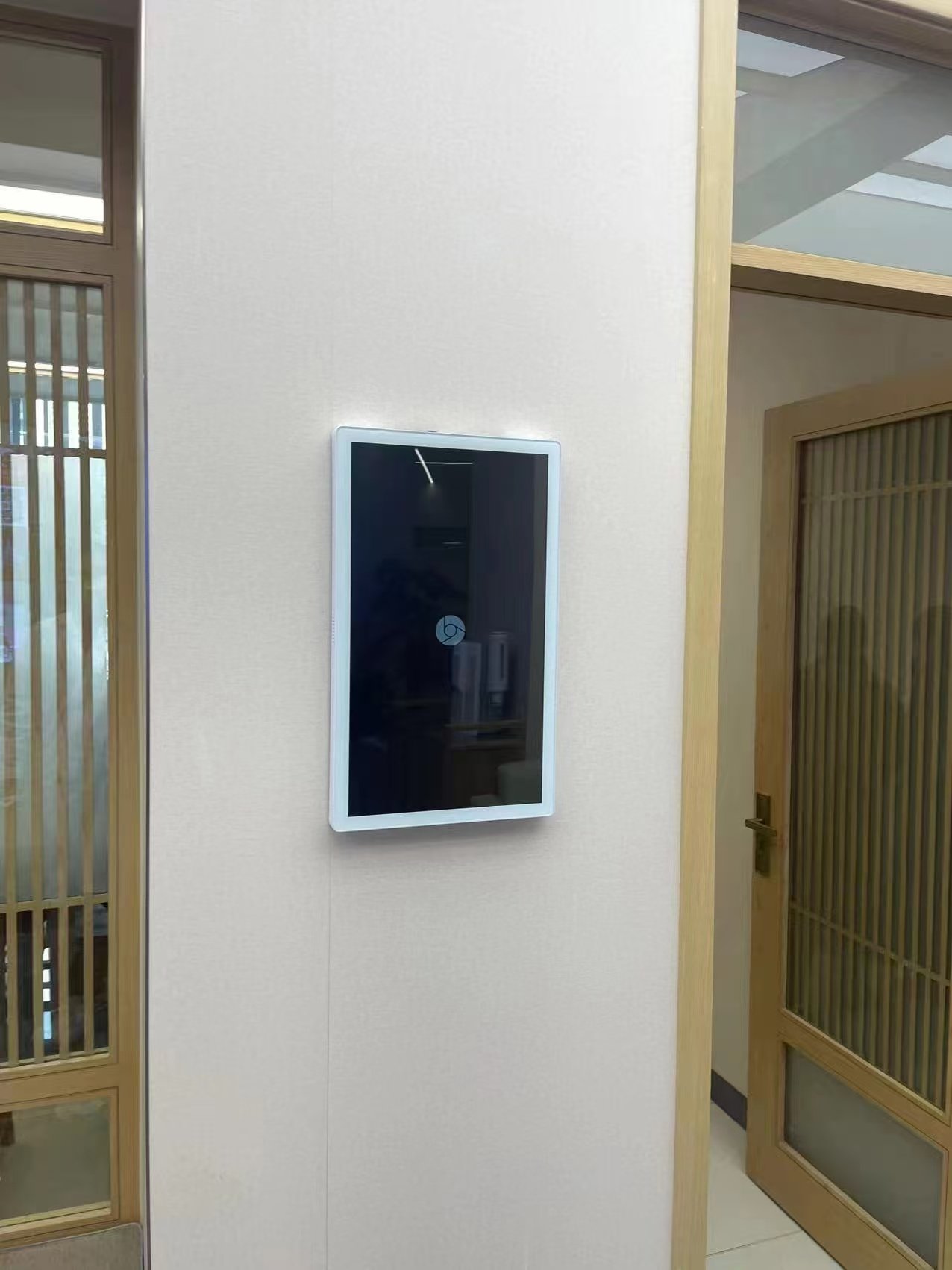
Android network elevator advertising display for elevator cars, halls and building media projects.
What Is an Elevator Advertising Display?
An elevator advertising display is a dedicated digital screen used inside elevator cars, beside elevator doors, in elevator halls or in building lobbies. It usually combines an LCD screen, Android media player, network module, content management software and mounting structure. The main purpose is to display commercial advertising and public information in places where people wait, enter, exit or ride elevators.
In modern projects, the most useful configuration is the Android network version. Once the device is connected through WiFi or wired LAN, the operator can publish image and video content from a computer or mobile phone without visiting every screen. For buildings with multiple elevators or multiple properties, this reduces manual work and makes campaign control much more efficient.
Why Remote Publishing Matters for Elevator Media Networks
Traditional screen updates often require a USB drive and physical access to each display. This is acceptable for a single screen, but it becomes slow and expensive when an operator manages dozens or hundreds of elevator advertising screens. Digital signage software providers also emphasize that remote management allows teams to update and schedule content from anywhere, centralize multiple screens, group screens by location and monitor display status. Screenly explains the workflow advantages of remote digital signage software.
For elevator advertising, remote publishing is important because campaigns often change by day, week, tenant, building or promotion period. A network elevator display can show residential property notices in the morning, retail promotions during peak traffic, brand advertising during the day and community information in the evening. The operator can also prepare seasonal campaigns in advance and schedule playback automatically.
Key Functions to Look for in an Android Elevator Advertising Screen
A good elevator advertising display should be simple for daily operation but flexible enough for professional media networks. Samsung VXT describes a digital signage content management system as a central hub that can create, manage, edit, schedule and distribute images, videos, web pages and other content to one or multiple displays. Samsung’s digital signage CMS article also highlights scheduling, targeted messaging, real-time updates and efficiency.
| Function | Why It Matters in Elevator Advertising |
|---|---|
| WiFi / Ethernet connection | Enables remote publishing and centralized management without distance limitation. |
| Mobile, PC and USB publishing | Allows operators to choose cloud updates, office-based publishing or local backup playback. |
| Landscape and portrait support | Helps match different elevator car, hall and lobby installation layouts. |
| Split-screen playback | Combines video advertising, images, time, weather, notices or scrolling subtitles on one screen. |
| Timed power on/off | Improves daily operation and supports building-specific working hours. |
| Time-based ad scheduling | Shows the right campaign during morning, daytime, evening or special event periods. |
| Scrolling subtitles | Useful for property notices, service updates, emergency reminders and promotional messages. |
Choosing the Right Screen Size
Screen size should be selected according to viewing distance, mounting space, content type and the visual priority of the project. Smaller screens are often used in elevator cars or limited wall spaces. Larger screens are more suitable for elevator halls, doorplate advertising and lobbies where stronger visual impact is required.
| Size | Recommended Application | Typical Content |
|---|---|---|
| 10.1 inch | Compact elevator car screen or small hall notice display. | Short notices, images, building announcements and light advertising. |
| 12.1 inch | Standard elevator car advertising and property media screen. | Image ads, short videos, tenant notices and scrolling subtitles. |
| 13.3 inch | Mid-size screen for offices, hotels and residential buildings. | Mixed advertising, community information and campaign rotation. |
| 15.6 inch | Full HD elevator multimedia display for stronger visual presentation. | Brand videos, property notices and split-screen layouts. |
| 21.5 inch | Large elevator doorplate, lobby or high-visibility building media terminal. | Commercial advertising, video campaigns and premium media placement. |
ZYE provides an Android Network Elevator Advertising Display Series covering 10.1 inch, 12.1 inch, 13.3 inch, 15.6 inch and 21.5 inch models. This size range helps elevator contractors, property operators and advertising companies choose a screen that matches each project environment.
Where Elevator Advertising Displays Create Value
Elevator digital signage is widely used in residential communities, hotels, office buildings, hospitals, shopping malls and commercial complexes. Rise Vision notes that elevator digital signage can support advertising, building information, announcements and entertainment. Its elevator digital signage guide also shows why elevators are useful communication points in buildings.
For property management, the display can replace printed notices and reduce repeated paper updates. For advertising operators, it creates a measurable and repeatable media position. For elevator solution providers, it can be supplied as a value-added display product with remote software, mounting structure and customized appearance.
Best Practices for Better Content Performance
Because elevator viewing time is short, content should be clear, visual and easy to understand. A good campaign should use large text, simple layouts and short video segments. If scrolling subtitles are used, the message should be concise and readable. When split-screen playback is used, the main advertisement should still remain visually dominant.
It is also useful to organize content by building type. Residential elevators may focus on property notices, local services and community information. Office buildings may display tenant branding, meeting information and business advertisements. Hotels and shopping malls may use elevator advertising screens for promotions, wayfinding and guest information.
FAQ: Elevator Advertising Display Selection
Can elevator advertising displays be controlled remotely?
Yes. Android network elevator advertising displays can connect through WiFi or Ethernet and support remote publishing from a computer or mobile phone, depending on the software configuration.
Can one operator manage multiple elevator screens?
Yes. A cloud or network content management system can help publish content to multiple screens, schedule campaigns and organize displays by building, floor area or customer group.
Which size is best for an elevator advertising screen?
For compact elevator cars, 10.1 inch to 13.3 inch screens are often practical. For stronger visual impact or lobby advertising, 15.6 inch and 21.5 inch models are commonly selected.
Can the screen show both video ads and text notices?
Yes. Split-screen playback and scrolling subtitles can combine video, images and text notices, making the display useful for both advertising and building communication.
Plan Your Elevator Advertising Display Project
If you are selecting elevator advertising screens for a residential project, commercial building, hotel, hospital, shopping mall or media network, ZYE can provide Android network display options in multiple sizes with WiFi/LAN publishing, scheduled playback and project customization.
View Elevator Advertising Display Series Contact ZYE for a QuoteReferences
1. Grand View Research, Digital Signage Market Size, Share, Industry Report, 2033.
2. Samsung VXT, Reasons You Need a Content Management System for Your Digital Signage Network.
3. Screenly, How remote digital signage software transforms business communication.
4. Rise Vision, Elevator Digital Signage: How and Why to Use It.